 As the electric vehicle (EV) market continues to grow, one issue is becoming increasingly clear: EVs are heavy. Between large battery packs, reinforced chassis, and added features, the average electric car is significantly heavier than its gas-powered equivalent.
This weight directly affects key performance metrics—driving range, acceleration, handling, and energy efficiency. As automakers look for solutions, one material is standing out above the rest: carbon fiber.
At Wolf Composites, we believe carbon fiber is not just an option—it’s a necessity for the future of electric vehicle design.
The EV Weight Challenge
Electric vehicles often weigh 30% more than comparable internal combustion engine (ICE) models. For example:
- A Tesla Model S weighs over 4,500 lbs
- The Ford F-150 Lightning can exceed 7,000 lbs
- Battery packs alone can add more than 1,000 lbs to a vehicle’s curb weight
Because battery range is directly tied to vehicle weight, engineers are searching for ways to lighten EV platforms without compromising strength or safety. This is where carbon fiber delivers a distinct competitive advantage.
Why Carbon Fiber is Ideal for EV Manufacturing
Lightweight Performance
-Carbon fiber is up to 70% lighter than steel and 40% lighter than aluminum. By using carbon fiber components in electric vehicles, manufacturers can improve range and efficiency, reduce the size and cost of battery packs, enhance acceleration and braking, and lower energy consumption per mile.
Studies show that every 10% reduction in vehicle weight can result in a 6–8% increase in driving range—without upgrading battery technology.
Superior Strength-to-Weight Ratio
-Despite being lightweight, carbon fiber is incredibly strong. This makes it an ideal material for structural components in EVs, especially in areas that must absorb impact or maintain rigidity under stress. Its stiffness also helps reduce chassis flex, improve aerodynamics, and enhance the overall driving experience.
High Thermal and Chemical Resistance
-EVs generate heat—lots of it. Between fast charging, power inverters, and regenerative braking, thermal management is critical. Carbon fiber components are naturally resistant to high temperatures and corrosion, making them ideal for battery enclosures, powertrain protection, underbody shielding, and structural housings near heat sources.
Design Flexibility for Modern EV Architecture
-Carbon fiber can be molded into highly complex shapes, reducing part count and enabling modular vehicle designs. This supports the industry’s shift toward skateboard-style EV platforms, which combine flat battery packs with integrated structural components.
Key Applications of Carbon Fiber in EVs
Battery Enclosures and Trays
These components require strength, thermal stability, and lightweight properties. Carbon fiber meets all three—helping to protect battery cells while reducing total vehicle weight.

Wolf Product
Underbody Shields and Skid Plates
EVs need protection from debris and weather. Carbon fiber underbody panels offer high impact resistance without adding bulk.
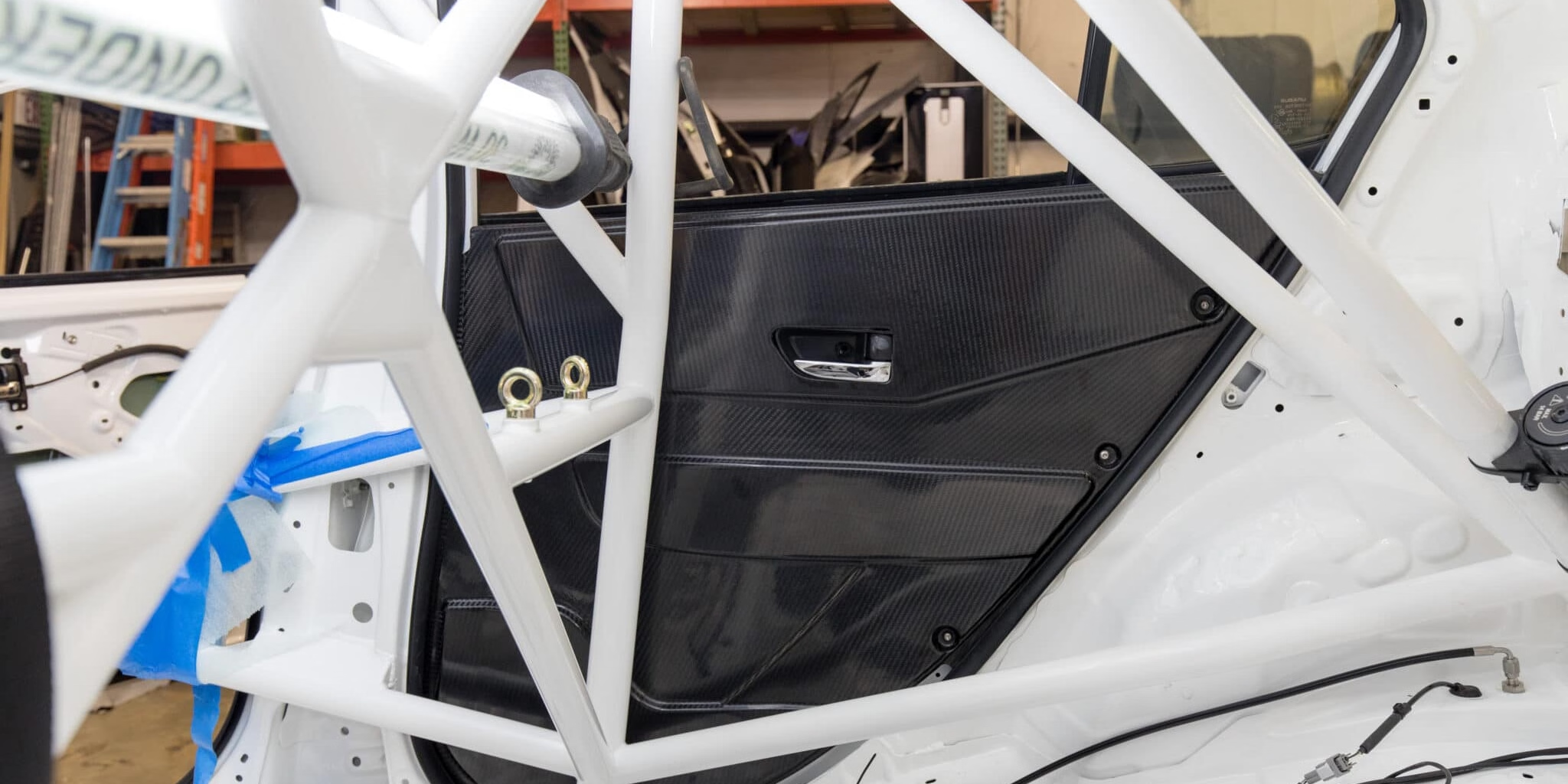
Interior Panels and Roofs ( like Our Interior Panel Project )
Replacing steel or aluminum interior parts with carbon fiber reduces the vehicle’s center of gravity—enhancing handling while maintaining a luxury aesthetic.
Suspension and Chassis Reinforcements
Carbon fiber control arms and bracing components reduce unsprung mass and improve responsiveness.
The Wolf Composites Advantage
At Wolf Composites, we’ve been manufacturing precision carbon fiber automotive parts for years—ranging from race cars to premium road builds. Our expertise translates directly into EV manufacturing and prototyping.
In-house capabilities include:
- 5-axis CNC machining for complex mold geometries
- Autoclave curing for part strength and consistency
- Custom layup techniques for structural, aesthetic, or high-heat applications
- Rapid prototyping and low-volume production for EV startups and specialty vehicles
We understand the importance of lightweight materials in electric vehicle development, and we know how to engineer carbon fiber parts that deliver results in the real world.

Wolf Product
The Future of Carbon Fiber in Electric Mobility
As EV adoption accelerates and government regulations tighten around emissions and efficiency, the role of advanced composite materials will only grow. Major automakers are already investing in carbon-intensive platforms for electric SUVs, trucks, and performance vehicles.
Whether it’s a structural battery tray, aerodynamic diffuser, or carbon fiber dashboard, composites are enabling the next generation of sustainable mobility.
At Wolf Composites, we’re proud to support the EV revolution with real-world carbon fiber solutions. From concept to production, we work alongside engineers and designers to bring bold ideas to life.
Ready to lighten your next EV project?
Contact Wolf Composites to explore what carbon fiber can do for your platform.